

Jaipur is known for its own rich heritage of folk music, dance and crafts. From October 1 to 4, the city will turn its attention to a region more than 2,000 kilometres away. Octave 2026, the Union Ministry of Culture's flagship celebration of Northeast Indian culture, comes to the Rajasthan International Centre for four evenings of performances, food and handcrafted traditions.
The festival is being organised by the West Zone Cultural Centre (WZCC), Udaipur, which operates under the Ministry of Culture, in collaboration with the Rajasthan International Centre. Cultural performances will begin at 7 PM each day.
Eight States, One Stage
According to Dr. Ashwin M. Dalvi, Director of WZCC Udaipur, Octave is designed to take the art and cultural heritage of Northeast India to different parts of the country and to introduce audiences to the region's diverse traditions.
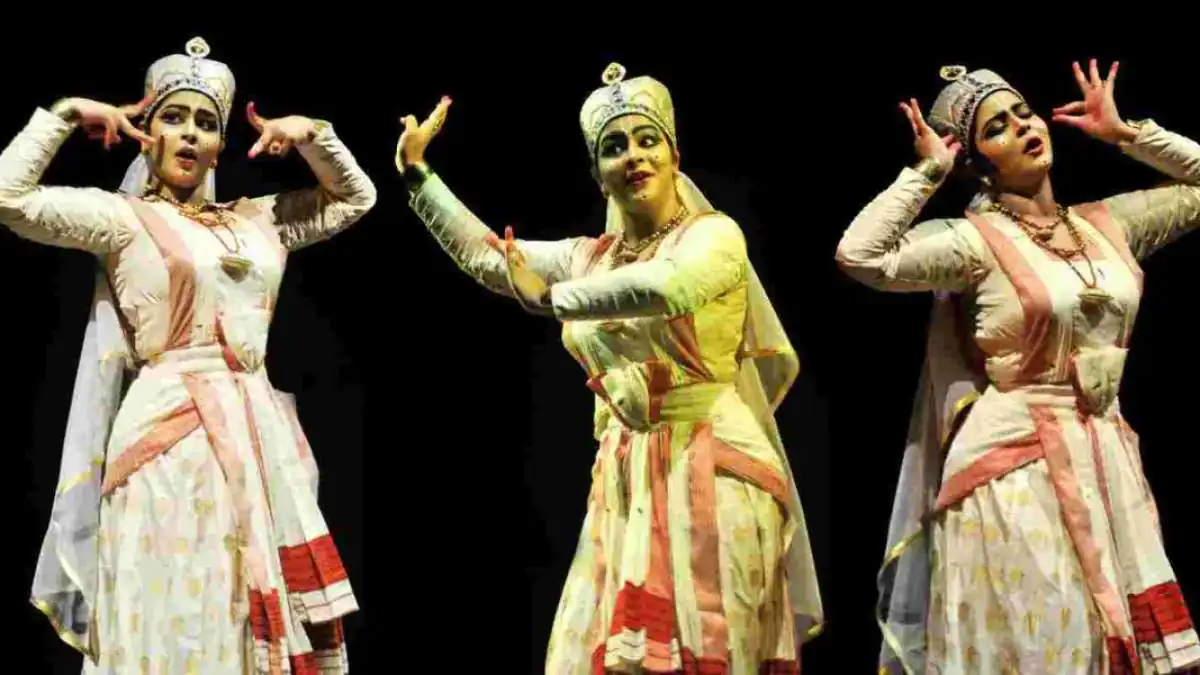
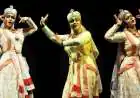
This edition brings together all eight Northeast states: Arunachal Pradesh, Assam, Manipur, Meghalaya, Mizoram, Nagaland, Sikkim and Tripura. Visitors can expect folk and classical dance traditions, music, traditional attire, crafts, painting and regional cuisine from each state in one place.
Dignitaries at the Inauguration
The festival will be formally inaugurated on October 1 at 7 PM. Rajasthan Governor Haribhau Kisanrao Bagde will attend as chief guest, and Union Minister for Culture and Tourism Gajendra Singh Shekhawat will preside over the ceremony. Shekhawat heads both the culture and tourism portfolios, so his presence points to a festival meant as more than an arts showcase. It also serves as a bridge for cultural tourism between two very different regions of India.
Why It Matters: A Cultural Exchange Between Two Borderlands
Rajasthan and the Northeast sit at opposite ends of the country, yet they have much in common. Both have strong tribal and community-based art forms. Both have handloom and handicraft economies that depend on visibility, and both have oral music traditions passed down through generations. For most Jaipur residents, seeing a Northeast dance or tasting the region's food usually means a long journey. Octave shortens that distance to a short drive across the city.
The Northeast is also home to two of India's recognised classical dance forms, Sattriya from Assam and Manipuri from Manipur. This gives the "classical" part of the festival real weight alongside its folk offerings. For Jaipur's students of dance and music, the festival offers a rare chance to watch these traditions performed live by artists from their home regions.
Impact on Jaipur's Cultural Calendar
The Rajasthan International Centre has become one of Jaipur's key venues for arts and culture events. Hosting a Ministry-backed national festival adds to its standing. The timing is also useful. Early October comes just before the festive season, when domestic tourist traffic to Jaipur usually picks up, so the event could draw visitors as well as locals.
For craftspeople and food vendors from the Northeast, festivals like Octave are also practical opportunities. Showcasing work in a large, tourism-driven market like Jaipur can open doors for new buyers and collaborations.
What Audiences Can Expect
Octave 2026 runs for four evenings and combines performances, visual art, crafts and cuisine. Culture lovers, families and anyone curious about the Northeast can explore the region's traditions without leaving the Pink City. Organisers have not yet announced detailed day-wise performance line-ups. Audiences should check official WZCC and RIC channels for schedules and entry details.